
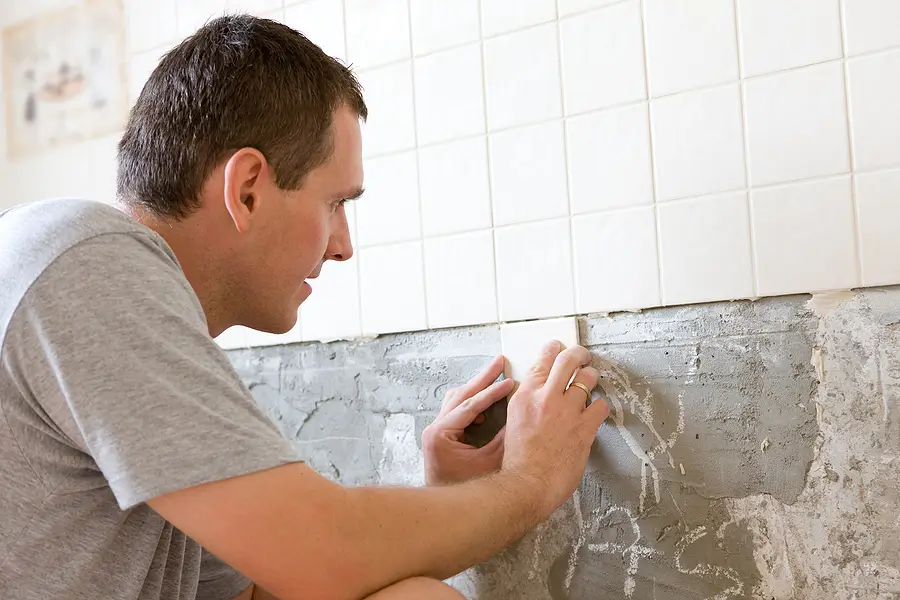
A larger renovation budget does not always lead to better rental results. Some of the most expensive property upgrades begin losing their practical value after a few tenant turnovers, especially when they require ongoing maintenance or frequent repairs. Rental properties perform best when improvements are selected for durability and functionality rather than appearance alone.
In Reno, property owners must balance tenant expectations with long-term ownership costs. Climate conditions, daily use, and occupancy changes can affect how quickly materials age and how often repairs become necessary. Investors researching property improvements often review examples of smart home upgrade ideas to identify features that continue benefiting properties long after installation.
Key Takeaways
- Durable upgrades often outperform luxury finishes in rental properties.
- High-maintenance renovations can increase long-term ownership costs.
- Flexible layouts typically appeal to a wider renter audience.
- Trend-focused improvements may lose value faster than expected.
- Practical renovation choices can support stronger long-term returns.
Hardwood Flooring Can Become a Costly Long-Term Commitment
Flooring plays a major role in property appearance, but not every premium flooring choice is ideal for rental housing.
Natural Wood Faces Constant Challenges
Hardwood floors often look impressive when first installed. However, repeated furniture movement, pet activity, and daily foot traffic can quickly create scratches and dents.
Rental properties typically experience more wear than owner-occupied homes, which can accelerate refinishing needs and increase maintenance expenses.
Before making significant renovation investments, many owners begin with a rental performance review to evaluate whether projected returns justify premium material costs.
Durable Flooring Alternatives Continue Gaining Popularity
Many investors prefer flooring materials that provide:
- Better scratch resistance
- Easier cleaning during turnovers
- Lower replacement expenses
- Long-lasting performance
These benefits often help reduce operational costs while maintaining renter appeal.
Premium Carpet Often Requires Frequent Replacement
Carpet remains a common flooring choice, yet it frequently becomes one of the first features to show visible wear.
Heavy traffic areas develop worn paths, furniture leaves impressions, and stains may remain even after professional cleaning. Over time, replacement costs can accumulate faster than many owners expect.
According to the U.S. Census Bureau, the national rental vacancy rate reached 7.1% in Q3 2025, making efficient tenant turnovers increasingly important for rental owners seeking to reduce vacancy-related losses.
Replacement Cycles Affect Profitability
When carpet requires replacement after several tenant cycles, owners face additional expenses and potential leasing delays.
Many investors combine flooring decisions with broader property improvement strategies designed to maximize longevity and reduce recurring maintenance.
Custom Cabinet Finishes Can Lose Their Appeal Quickly
Kitchen upgrades often receive significant attention during renovations. However, custom cabinetry can become difficult and expensive to maintain over time.
Daily Use Creates Visible Wear
Cabinet corners, handles, and drawer fronts experience constant contact. Specialty finishes may chip, fade, or become difficult to match years after installation.
When original products are discontinued, even minor repairs can require substantial refinishing work.
Investors seeking sustainable renovation strategies frequently review approaches such as pet-friendly rental planning, which improve property appeal without creating significant maintenance burdens.
Simpler Designs Often Provide Better Value
Straightforward cabinet styles generally offer:
- Easier touch-ups
- Lower repair costs
- Consistent appearance
- Broad tenant appeal
These advantages often contribute to stronger long-term returns.
Decorative Fixtures Can Create Future Maintenance Problems
Premium lighting and specialty hardware can enhance a property's appearance. Yet these features may create unexpected maintenance challenges later.
Specialized Components Are Harder to Replace
Designer fixtures often depend on proprietary parts that become difficult to source when repairs are needed.
Longer repair timelines can increase labor expenses and delay unit preparation between tenants.
The U.S. Energy Information Administration reports that lighting accounts for approximately 3.4% of electricity use in American homes, making fixture durability an important factor in renovation planning.
Standardized Fixtures Simplify Property Operations
Many successful investors choose consistent fixtures throughout their portfolios because doing so helps:
- Simplify maintenance
- Reduce inventory needs
- Improve repair efficiency
- Lower replacement costs
This strategy often produces measurable savings over time.
Trend-Based Kitchens Rarely Stay Current for Long
Kitchen remodels frequently represent one of the largest renovation expenses. Following current design trends can be tempting, but trends change quickly.
Design Preferences Continue Evolving
Bold cabinet colors, designer backsplashes, and highly customized finishes may feel modern today but become dated within a few years.
Future repairs often become more expensive because matching materials are difficult to locate.
Owners focused on long-term profitability usually prioritize functionality over short-lived design trends.
Timeless Features Continue Delivering Value
Strong-performing rental kitchens often emphasize:
Efficient Layouts
Practical layouts improve usability while appealing to a broad range of renters.
Neutral Finishes
Neutral color palettes simplify future updates and remain attractive through changing design preferences.
Many investors incorporate ideas from effective floor plan strategies because layout improvements often provide longer-lasting value than decorative upgrades.
Built-In Features Can Limit Future Flexibility
Custom-built-ins may seem attractive during renovation planning, but they can reduce a property's adaptability.
Different Tenants Have Different Needs
Built-in desks, shelving systems, and entertainment centers may suit one renter while creating obstacles for another.
Flexible spaces generally appeal to more prospective tenants because occupants can personalize rooms according to their lifestyles.
Adaptability Supports Long-Term Occupancy
Properties with flexible layouts often benefit from:
- Greater tenant appeal
- Easier future updates
- Improved functionality
- Better long-term versatility
These advantages can help support occupancy across multiple leasing cycles.
Luxury Bathrooms Often Demand More Maintenance
Bathrooms experience heavy daily use, making durability especially important.
Premium Features Increase Upkeep Requirements
Frameless glass showers, designer fixtures, specialty tile installations, and custom vanities often require more cleaning and maintenance than standard alternatives.
Water spots, grout discoloration, and component wear can create recurring maintenance concerns.
Many owners improve renovation outcomes by combining durable materials with recommendations found in guides covering preventive rental maintenance.
Practical Materials Often Perform Better
Many successful rental owners prioritize products that offer easy maintenance, dependable performance, and widely available replacement parts.
Long-term property care becomes easier with professional estate management services, dedicated property owner resources, and proactive maintenance support programs that help preserve investments over time.
FAQs about Rental Renovation Decisions in Reno, NV
What signs indicate a renovation material may not be suitable for a rental property?
Materials that scratch easily, require specialized repairs, or depend on difficult-to-find replacement parts may create long-term maintenance challenges. Durability and repair simplicity often matter more than appearance alone in rental housing.
How can owners balance renovation quality with long-term affordability?
Focusing on products with proven durability, reasonable maintenance requirements, and broad tenant appeal can help owners achieve attractive results without creating excessive future operating expenses.
Do tenant lifestyles influence renovation performance?
Yes. Families, pet owners, and long-term renters all use properties differently. Choosing materials capable of handling varied occupancy patterns can help preserve property condition through multiple lease terms.
Why should landlords consider future repair availability before renovating?
Products that become discontinued or require specialty components can increase repair costs and extend maintenance timelines. Selecting widely available materials often simplifies future property management efforts.
Can practical renovations still help a property remain competitive in the market?
Absolutely. Many renters value clean, functional, and well-maintained homes more than luxury finishes. Practical upgrades often support tenant satisfaction while reducing long-term ownership costs.
The Best Renovations Continue Delivering Value After Move-In Day
The true measure of a rental renovation is not how impressive it looks immediately after installation, but how well it performs after years of tenant occupancy. Materials that remain durable, easy to maintain, and broadly appealing often provide stronger returns than luxury features that require constant attention.
For property owners throughout Reno, focusing on long-term performance can help reduce expenses and protect rental income. At PMI Reno, we help investors evaluate property improvements through a practical ownership lens. When you're ready to strengthen your property's future performance, advance your property care strategy with PMI Reno and make more confident decisions about protecting your investment.
